GoogleAd · example.comRoof Replacement Cedar City, UT
High quality. Fair price. Built to last.
Paid Advertising
We run data-informed campaigns across Google, Meta, YouTube and beyond—designed to reach relevant prospects, support booked calls, and connect advertising activity to business outcomes.
Illustrative example — not client data.
High quality. Fair price. Built to last.

Swipe through all 5 stages
Your job isn’t done until the sale is won.
Where Ad Spend Disappears
They have a series of small leaks that quietly drain budget and kill results.
Plug the leaksOur Approach
We don’t simply “set up ads.” We operate a repeatable system that documents assumptions, delivery evidence, and the next scale, hold, repair, or stop decision.
Where We Buy Attention
We meet your prospect wherever they are in their buying journey.
Explore each channelHigh quality roofing solutions. Free inspection.
Capture existing demand at the moment of intent.
Create demand and reach your ideal customers.
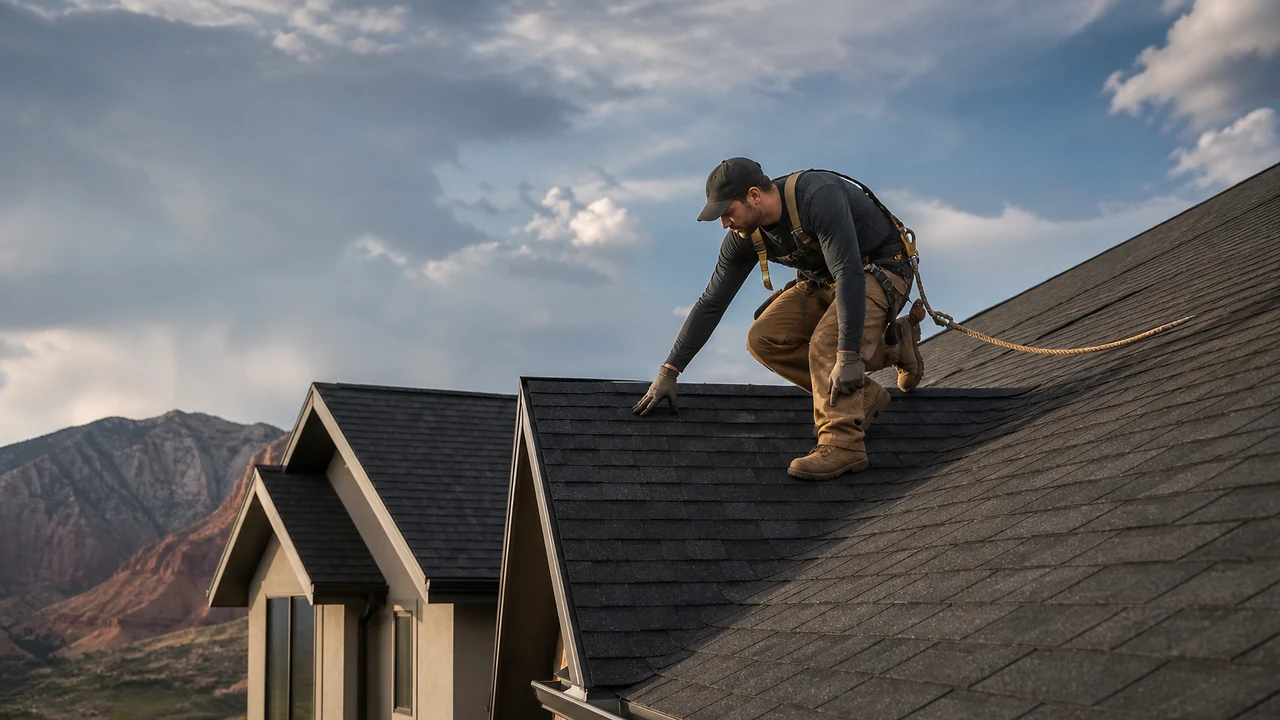
Build awareness and consideration with video storytelling.
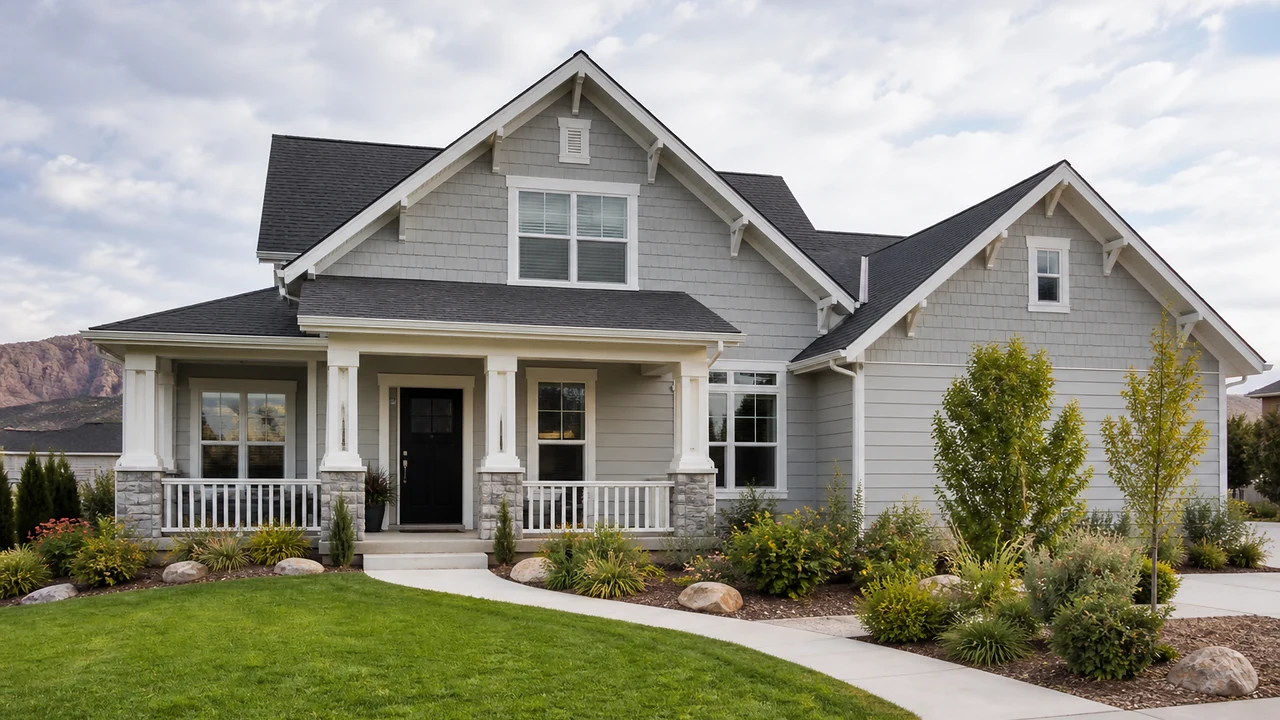
We’re here when you’re ready.
Stay top of mind and drive people back to finish what they started.
Creative Lab
Illustrative example — not client data.
We test headlines, hooks, offers, formats and angles until we find what gets the strongest response.
See our creative processQuality Roofing You Can Trust. Protect Your Home. Protect Your Investment.
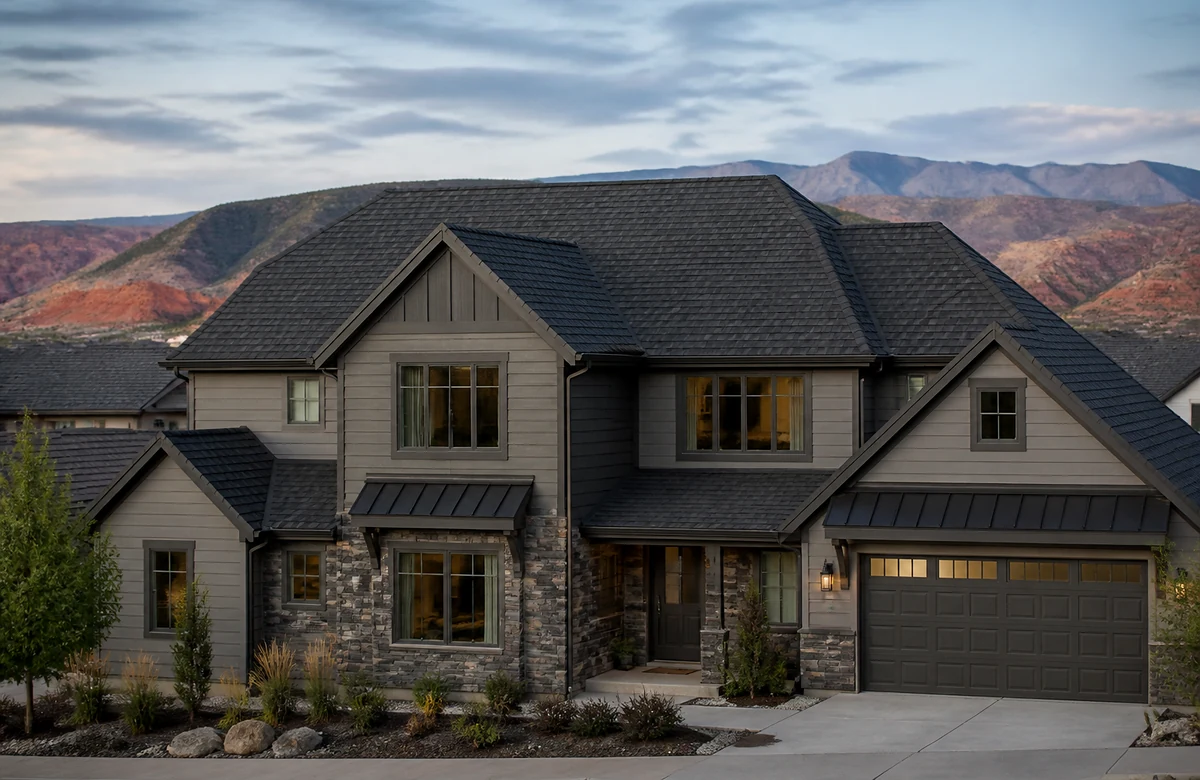
High quality roofing. Built for Southern Utah.

Get Your Free Quote
Example service offer · Clear primary action · Terms defined before launch.

Built Stronger. Built to Last.
Swipe through all 5 experiments
How the system connects
These schematic cards explain the workflow Ashdown can build. They do not represent a client, campaign result, portfolio total, or promise of future performance.
Swipe through the workflow
Measurement Framework
Illustrative example — not client data. The sequence shows how a team can connect platform spend to an agreed business outcome.

Illustrative example — not client data.
Our Process
Research, tracking, audience and offer strategy.
Campaign architecture, creative, landing pages and tracking.
Go live, monitor closely, optimize for early performance.
Test, measure, improve and scale what’s working.
Common Questions
The appropriate media budget depends on customer economics, market demand, evidence volume, creative capacity and the decisions the campaign needs to support. We document those inputs before recommending a budget.
It depends on your market and offer. Google captures existing demand; Meta helps create demand. Many growth plans use both.
Our team develops the strategy, copy, creative direction and campaign builds, with your approval before launch.
Yes. We build conversion-focused landing pages matched to each offer and campaign.
Leads flow into a tracked follow-up system so your team can respond quickly and see every opportunity.
Yes. Reporting connects spend to leads, appointments, customers and revenue so performance stays transparent.
Launch timing is confirmed after research, creative, landing-page, tracking, approval and quality-assurance requirements are scoped. We provide a written sequence and dependency list before work begins.
We design partnerships around sustained growth and explain the scope, term and exit conditions clearly before work begins.
Buyer’s guide
Paid advertising buys access to attention; it does not automatically create a useful customer outcome. Ashdown designs the campaign around the commercial event, the evidence the platform can observe, the creative and destination experience, and the decision the team will make after enough signal exists. The channel is one part of a connected growth system, not a substitute for offer clarity, sales execution, or product economics.
Work can span search, paid social, shopping, video, and remarketing when those channels fit the buyer, budget, data, and creative capacity. Reporting preserves the distinction between exact platform fields, derived ratios, qualified sales feedback, and facts the business must supply. ROAS is described as attributed value relative to spend—not profit or ROI.
How the engagement works
Review economics, demand, tracking, prior campaigns, creative capacity, landing paths, and downstream outcomes.
Assign each channel and campaign a role, measurement event, hypothesis, budget boundary, and decision window.
Build a bounded first release, validate delivery and tracking, and annotate changes that affect comparison.
Interpret results with source and attribution context, then scale, hold, repair, or stop against the agreed rule.
Buyer questions
Channel choice follows buyer intent, offer, creative capacity, conversion signal, economics, geography, and budget. Ashdown does not prescribe every channel to every business.
The plan uses business guardrails, expected event volume, a decision window, creative and page capacity, and explicit scale or stop rules. Platform recommendations are inputs, not the strategy.
Yes when ownership, access, billing, history, tracking, and security are appropriate. Account changes and handoff expectations are documented before launch.
No. Market demand, pricing, margin, sales execution, fulfillment, attribution, and platform behavior affect outcomes. Ashdown documents assumptions and improves against observed evidence.
Start with the constraint
Ashdown will help identify the next handoff worth improving before prescribing more tools, traffic, or automation.